Fixed-Price Transcription for Startups: Stop Guessing Your Voice Bill
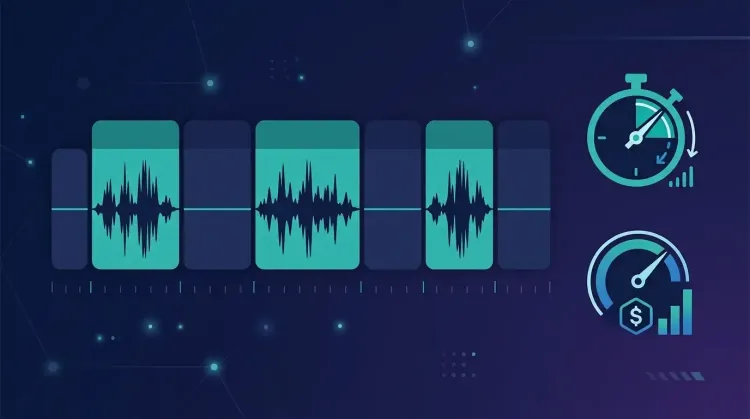
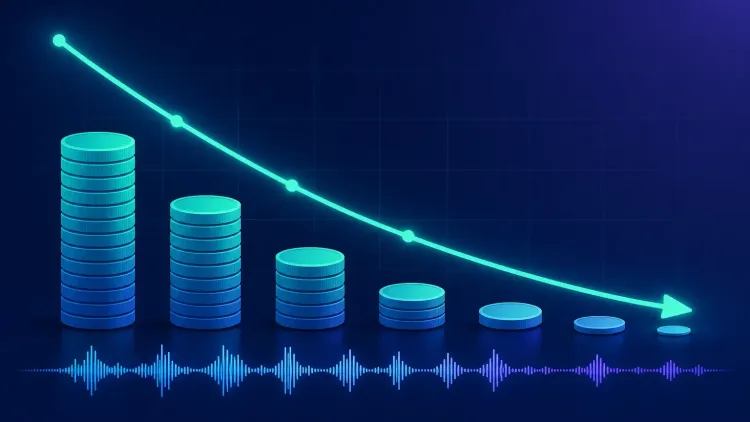
Three seed-stage startups I worked with got blindsided by per-minute voice API bills. Fixed 4-week pricing keeps runway predictable while you find product-market fit.
Guides, product updates, and technical notes on AI agents, speech-to-text, token optimization, and privacy-first voice workflows.
50 articles

Three seed-stage startups I worked with got blindsided by per-minute voice API bills. Fixed 4-week pricing keeps runway predictable while you find product-market fit.

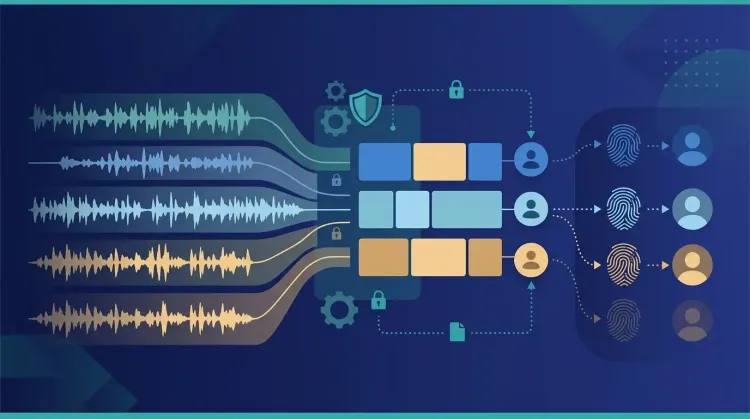
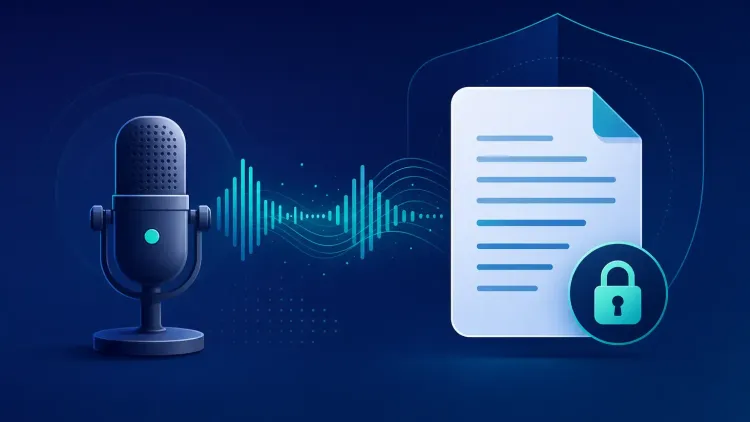
I've seen diarization labels re-identify speakers in HIPAA calls. Here's when speaker IDs become PHI, and when to disable diarization in your transcription pipeline.

Uptime badges hide concurrency cliffs and regional latency. I've mapped what speech-to-text SLAs really cover and what to load-test before you sign a vendor contract.

Deepgram's Voice Agent promo ends Sept 12 — Standard jumps 34% on Sept 13. I've mapped the tier math and three migration paths, including unbundling STT with Pipecat.

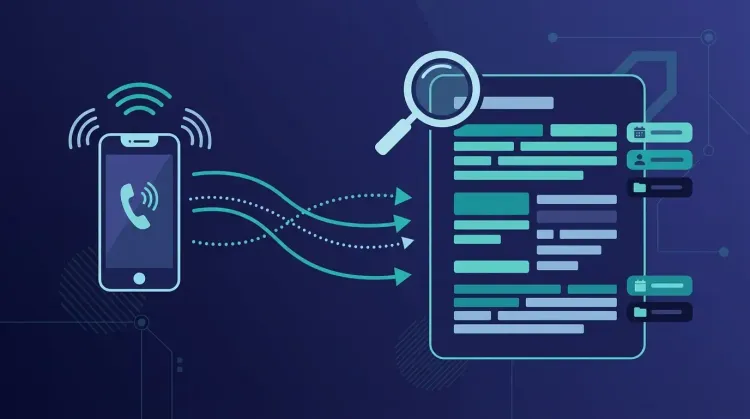
I've wired call recordings into searchable knowledge bases for four B2B teams. This guide covers the ingest pipeline: preprocessing, Agent-mode transcription, metadata, dedupe, and chunk tuning for RAG-ready content.

Agent-mode transcription for RAG pipelines shrinks filler before chunking. I've measured 35-50% fewer tokens vs Raw, cleaner retrieval, and lower embed cost.

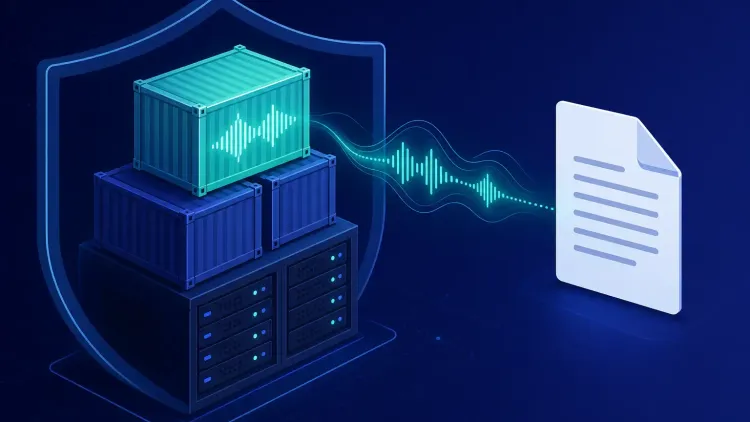
I've sat on IR bridges where war-room audio got dropped into a public Whisper API for searchable notes. That habit breaks chain of custody. Here's the private transcription pattern I use when recordings may become evidence.

No training is not zero retention. I break down OpenAI, Deepgram, and AssemblyAI retention defaults, then the DPA language and retrieve-after-N-minutes test I require before production audio leaves the VPC.

Finance sees transcription billing surprises weeks after engineering ships voice. I've reconciled invoices where rounding, add-ons, streaming premiums, and free-tier cliffs blew the forecast.

Finance teams get blindsided by transcription invoices when forecasts ignore rounding, spikes, and feature add-ons. Here's the forecasting model I use before signing any STT contract.

I've wired PII redaction into call and agent transcription stacks. Transcript NER alone is not enough. Here's the production stack that holds up under audit.

I've watched production teams treat transcription confidence scores like a truth meter. Here's what those numbers measure, when to trust them, and how agents should fall back.

I've deployed VAD in production transcription pipelines. Here's how to cut silence before STT and lower cost and latency without hurting transcript accuracy.

Spoofed transcription webhooks can flood your agent queue with fake completions. Here's the HMAC verification pattern I use on every async STT deployment.

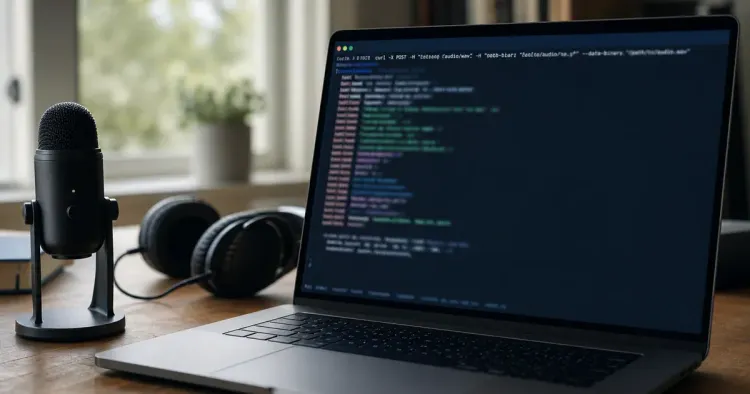
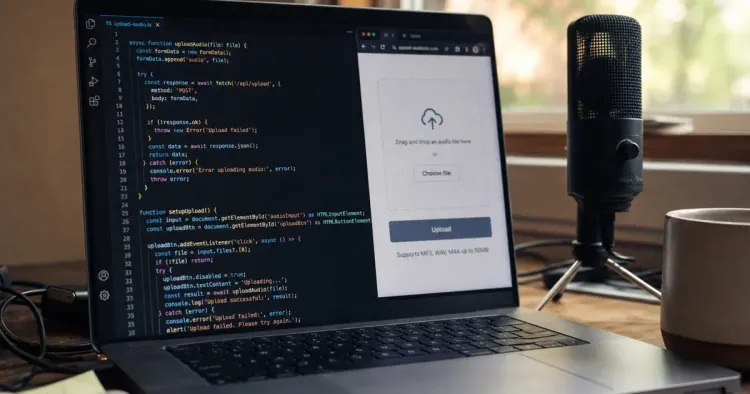
Transcribe audio with cURL and Privocio's speech-to-text API. Batch uploads, OpenAI-compatible routes, and SSE streaming from your terminal or CI pipeline.

AssemblyAI Sync is one-shot HTTP STT at ~134 ms p50 and $0.45/hr, but the default host still sends audio off-network. Privocio keeps that POST-and-read DX on private infrastructure with flat 4-week pricing.

Streaming speech-to-text over WebSockets only works when you budget first partial, final commit, and reconnect. I share the targets I use for live AI agents.

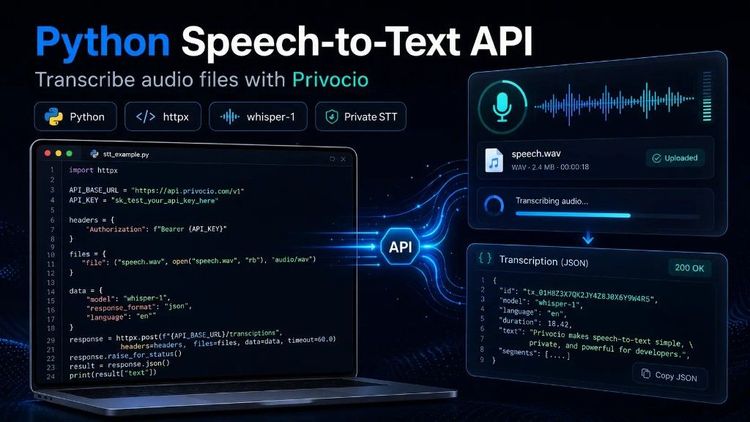
Learn how to use a Python speech-to-text API to transcribe audio files with httpx, Bearer authentication, Whisper-compatible models, and Privocio's private STT infrastructure.

Audio preprocessing for transcription beats prompt tuning. I share the FFmpeg commands I run before every STT upload: mono 16 kHz, highpass, loudnorm, and when not to denoise.

Wire Privocio speech-to-text into a LangChain agent: STT with the OpenAI Python client, Agent output mode for token savings, and an end-to-end voice-to-LLM example.

I've debugged STT pipelines that fail at 2am. Here's the retry, timeout, and fallback pattern I use for speech-to-text API error handling in production.

Transcribe audio in Go using the OpenAI Go client with a Privocio base URL. Whisper-compatible batch transcription for backend services and AI agents.

I've migrated 4 voice agents off OpenAI Realtime API. Here's the SDK swap, 400+ hr/month cost math, and which migration path to pick.

I've integrated diarization into meeting bots and voice agents for three years. Vendor docs tout accuracy, but here's what happens to the voiceprints your API call creates.

I tested six multilingual STT APIs on a 47-language corpus. Language counts on marketing pages rarely match production accuracy. Here's how to pick the right API for your markets.

I've built voice-enabled AI agent pipelines for production workloads — here's the complete guide to choosing and integrating speech-to-text.

Rate limits kill speech-to-text pipelines before cost or accuracy ever matter. I've stress-tested six providers under load and mapped what breaks at scale.

A decision framework for teams evaluating an OpenAI Whisper API alternative — pricing at 10/50/200 hours, privacy, output modes, self-hosting, and a one-line migration path.

I've shipped voice into six mobile apps. Here's when on-device Whisper beats a cloud API — and when fixed-rate private transcription wins on battery, privacy, and cost.

I've debugged batch STT pipelines that failed 40% of files. Here's the FFmpeg preprocessing, retry logic, and cost controls I use in production.

Agent mode cut LLM token costs by 40% in our tests. Here's what Raw, Clean, and Agent output modes actually do — and when to use each.

I've benchmarked six speech-to-text APIs on identical audio at multiple concurrency levels. Here's what 500ms latency really means when you deploy voice agents.

I've benchmarked Privocio and Azure Speech on the same enterprise call recordings. Here's how Microsoft ecosystem integration, privacy, and pricing compare at production volumes.

I've benchmarked Privocio and AWS Transcribe on the same call-center audio. Here's how pricing, privacy, and developer experience compare at production volumes.

Learn how to use a JavaScript speech-to-text API with fetch, FormData, the OpenAI Node SDK, SSE streaming, and Privocio's private STT infrastructure.

I've tested 7 cost-reduction strategies for transcription APIs. Fixed pricing alone saves 60-90% at scale — here's the math and how to implement each one.

I tested transcript formats across 500+ hours of AI agent audio. Agent-mode transcripts cut LLM tokens by 40% — here's the exact math and the one-parameter fix.

I've transcribed unreleased podcast episodes for three networks. Here's how to get SEO transcripts without sending raw audio to APIs that train on your content.

Enterprise transcription discounts look great until you run the absolute monthly math. I've compared volume tiers against fixed-rate billing at 200-2,000 hours.

I've transcribed thousands of internal meeting hours where a privacy breach would end careers. Here's how popular meeting tools compare to private speech-to-text APIs.

After deploying private speech-to-text for 20+ production teams, here's the complete guide to choosing the right secure transcription API.

I've tested every privacy approach for transcription — end-to-end encryption is the only one that genuinely protects your data end-to-end.

I've set up self-hosted Whisper for six production deployments. Here's the honest breakdown of Docker, native, and managed open-source options.

I've deployed private transcription for seven law firms. Here's what attorney-client privilege actually requires from your transcription vendor.

Data residency for speech-to-text: where does your audio actually go? I've traced transcription pipelines across AWS, Google Cloud, and Azure to find out.

I've spent six years evaluating speech-to-text APIs for production. Here's the 2026 comparison of privacy architecture, speed under load, and true cost at scale.

I normalized every major speech-to-text API to per-hour costs. At 100 hours/month, the gap between cheapest and most expensive is $612.

I've audited dozens of transcription invoices. Per-minute pricing hides 15-45% in rounding, add-ons, and streaming premiums. Here's the real math.

At 200 hours/month, Google Cloud costs $288. Privocio costs $19 flat. Here is how privacy, pricing, and control compare.

I've built transcription pipelines for three financial firms. Here's the exact architecture that passed MiFID II and SOX audit with zero findings.
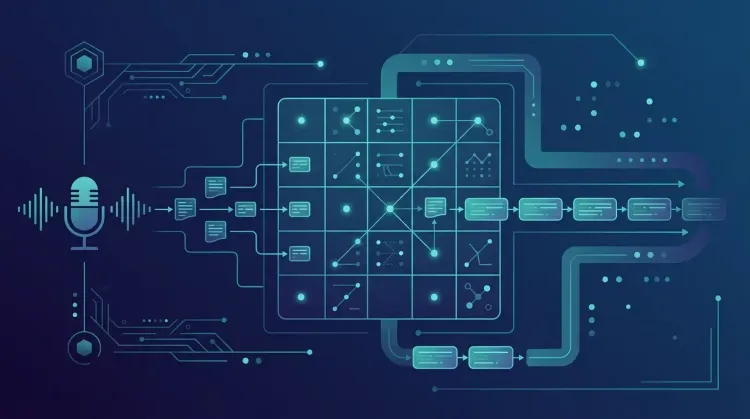
Turn speech into structured, agent-ready context while keeping costs predictable.
Get startedNeed a private speech-to-text API for production workloads? Explore core features, compare pricing, and review our privacy policy.