Tag
#privacy
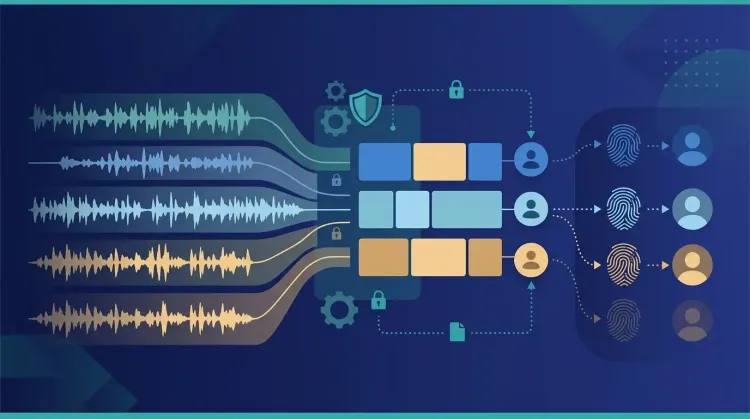
Speaker Diarization Privacy Tradeoffs: When Labels Become Identifiers
I've seen diarization labels re-identify speakers in HIPAA calls. Here's when speaker IDs become PHI, and when to disable diarization in your transcription pipeline.
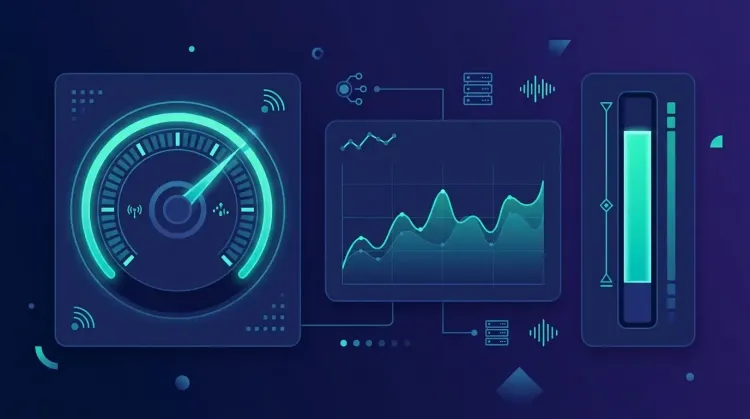
Speech-to-Text SLAs: Uptime, Latency Targets, and What Breaks First
Uptime badges hide concurrency cliffs and regional latency. I've mapped what speech-to-text SLAs really cover and what to load-test before you sign a vendor contract.
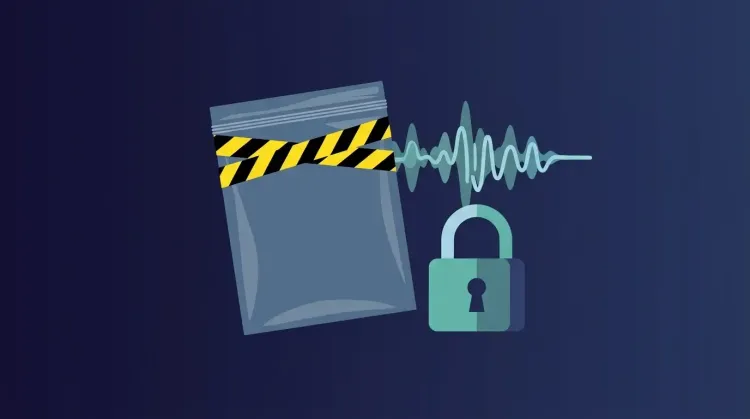
Speech-to-Text for Incident Response Recordings: Chain of Custody Without Public APIs
I've sat on IR bridges where war-room audio got dropped into a public Whisper API for searchable notes. That habit breaks chain of custody. Here's the private transcription pattern I use when recordings may become evidence.
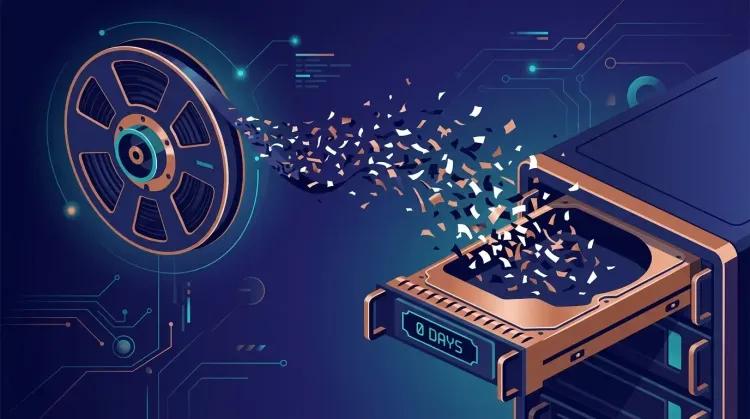
Zero-Retention Transcription APIs: What 'No Training' Actually Guarantees
No training is not zero retention. I break down OpenAI, Deepgram, and AssemblyAI retention defaults, then the DPA language and retrieve-after-N-minutes test I require before production audio leaves the VPC.
PII Redaction in Speech-to-Text: What Works in Production Pipelines
I've wired PII redaction into call and agent transcription stacks. Transcript NER alone is not enough. Here's the production stack that holds up under audit.
Transcription Confidence Scores: When to Trust Them (and When to Ignore Them)
I've watched production teams treat transcription confidence scores like a truth meter. Here's what those numbers measure, when to trust them, and how agents should fall back.
AssemblyAI Sync API Alternative: Private HTTP Transcription Without the Third-Party Hop
AssemblyAI Sync is one-shot HTTP STT at ~134 ms p50 and $0.45/hr, but the default host still sends audio off-network. Privocio keeps that POST-and-read DX on private infrastructure with flat 4-week pricing.

Speaker Diarization APIs: Identifying Who Said What Without Sacrificing Privacy
I've integrated diarization into meeting bots and voice agents for three years. Vendor docs tout accuracy, but here's what happens to the voiceprints your API call creates.

Multilingual Speech-to-Text APIs: Language Coverage and Accuracy Compared
I tested six multilingual STT APIs on a 47-language corpus. Language counts on marketing pages rarely match production accuracy. Here's how to pick the right API for your markets.
Speech-to-Text API Rate Limits: Concurrency, Quotas, and What Breaks at Scale
Rate limits kill speech-to-text pipelines before cost or accuracy ever matter. I've stress-tested six providers under load and mapped what breaks at scale.

OpenAI Whisper API Alternative: When to Switch to Private Speech-to-Text
A decision framework for teams evaluating an OpenAI Whisper API alternative — pricing at 10/50/200 hours, privacy, output modes, self-hosting, and a one-line migration path.
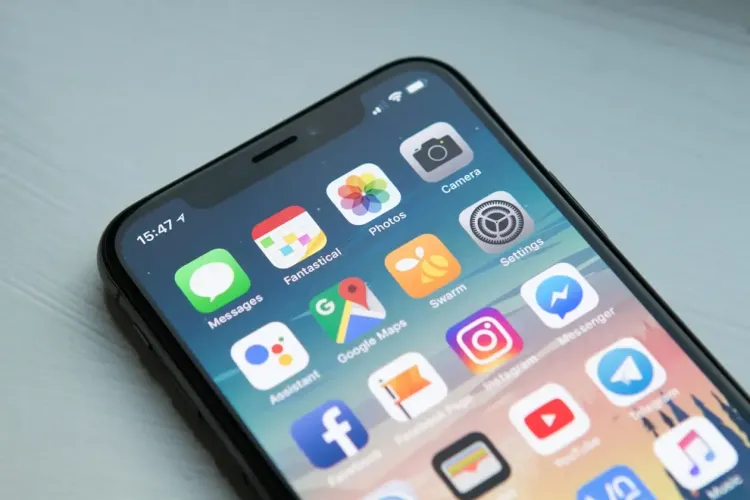
Speech-to-Text for Mobile Apps: On-Device vs API Transcription Compared
I've shipped voice into six mobile apps. Here's when on-device Whisper beats a cloud API — and when fixed-rate private transcription wins on battery, privacy, and cost.
Build securely with Privocio
Start with API features, review plan pricing, and verify our data handling policies.